Get Back on the Road With Confidence - Reliable Auto Repair
Trustworthy auto repair is necessary for vehicle safety and performance. A solid shop delivers comprehensive services, from routine checks to emergency work. Identifying when your vehicle requires help can be tricky. Many drivers have difficulty finding reliable technicians. Consistent maintenance is fundamental to maintaining your car's longevity. Yet, the uncertainty about pricing and interactions with repair specialists can leave one uncertain. Which actions can drivers pursue to ensure their vehicles remain road-ready?
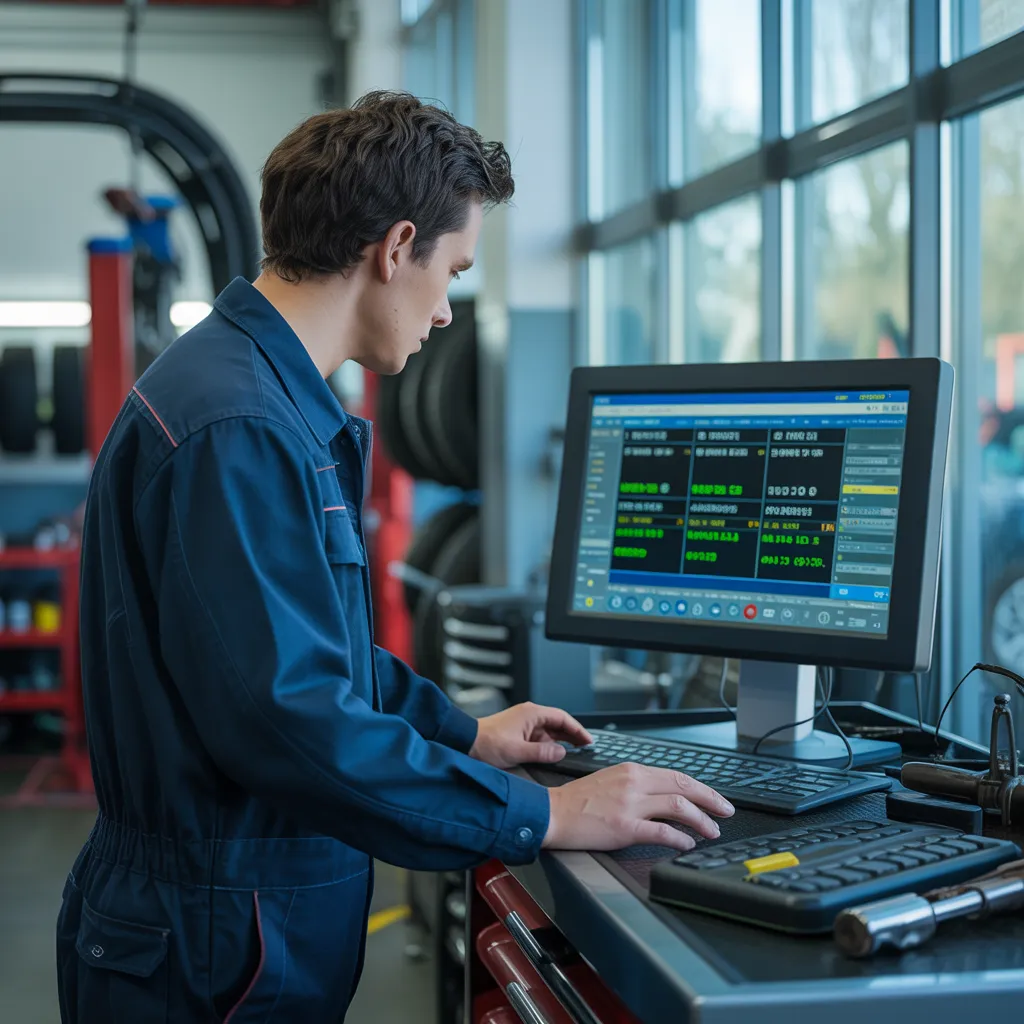
Identifying When Your Vehicle Requires Service
How can one know when a vehicle requires attention? There are multiple key indicators that indicate a need for repair. Unusual sounds and vibrations, such as grinding or squeaking, often indicate brake or engine issues. Warning lights on the dashboard, particularly the check engine light, should not be ignored, as they indicate potential problems that require immediate investigation. Additionally, a drop in performance, such as sluggish acceleration or difficulty starting, can also indicate underlying mechanical issues.
Visual cues, such as fluid leaks or irregular tire degradation, are further indications that maintenance is needed. If the automobile pulls toward one direction while in motion, this could indicate misalignment issues or tire defects. Regularly observing these components can help guarantee timely servicing, avoiding more serious damage and financial burden in the coming years. Ultimately, being observant and forward-thinking is essential for maintaining automotive wellness.
How to Find a Reputable Auto Repair Shop
Discovering a solid vehicle repair center can be challenging for vehicle owners. To get started, people should seek recommendations from friends, loved ones, or coworkers. Direct experiences often deliver valuable insights into a shop's level of service. Online reviews and rankings on websites like Yelp or Google can likewise help determine customer satisfaction.
Next, confirming endorsements and partnerships with established sector bodies, such as the Automotive Service Excellence (ASE), can highlight a shop's commitment to professional standards. It is advisable to visit potential shops for an initial consultation, letting clients to assess cleanliness, organization, and customer service.
Moreover, obtaining documented quotations before any work commences can prevent misunderstandings concerning costs. Finally, a reliable shop should be transparent about its services and willing to discuss repairs. By following these steps, vehicle owners can increase their chances of finding a trustworthy auto repair shop.
The Key Benefits of Consistent Automobile Upkeep
While many vehicle proprietors may fail to address routine upkeep, consistent vehicle maintenance is essential for ensuring a car's lifespan and superior functionality. Avoiding upkeep can result in a series of problems, from minor inconveniences to major repairs. Regular inspections, such as oil changes, wheel adjustments, and brake evaluations, can prevent costly repairs and strengthen driving safety.
Additionally, consistent maintenance helps sustain a vehicle's fuel economy, reducing overall running expenses. It also preserves the market value; a well-maintained car is often more desirable to potential buyers.
Engaging in scheduled upkeep creates a sense of accountability among owners, encouraging them to remain aware about their vehicle's needs. By emphasizing maintenance, vehicle owners not only safeguard their investment but also contribute in general traffic safety. Ultimately, consistent vehicle maintenance is a proactive strategy that benefits both the owner and the broader society.
Learning About Restoration Costs
Understanding repair expenses can frequently seem difficult for car owners. Many elements play a role in such expenses, encompassing labor fees, parts expenses, and the degree of complexity involved in the repair job. Labor fees change markedly based on location and establishment, frequently showing the technician's background and the shop's operating costs. Moreover, the variety of components applied—if OEM or aftermarket options—can substantially determine the final amount.
Vehicle type and years also play a role; rare or vintage vehicles may need specialized parts that are pricier and more difficult to find. Moreover, surprise complications can occur during repairs, resulting in supplementary charges that were not foreseen at first. By developing fundamental knowledge of these elements, vehicle owners can tackle repair quotes with more certainty access now and take knowledgeable choices regarding their vehicle requirements.
How to Clearly Describe Car Issues to Your Mechanic
Effectively conveying car issues to a technician can greatly enhance the assessment and repair process. When describing issues, car drivers should be specific about signs, such as unusual noises, vibrations, or warning lights. Providing information on when the problem happens—whether during acceleration, stopping, or running at rest—can also assist the mechanic identify the issue.
It is useful to track any new shifts in driving patterns or maintenance history. Using plain, direct wording reduces ambiguity, assisting the repair specialist to understand the situation better. Car owners should avoid relying on technical jargon unless they are sure of its sense.
Furthermore, submitting paperwork, such as service records or previous repair invoices, can offer context. A clear description not only supports swift diagnosis but also builds a mutual partnership between the car owner and the mechanic, ultimately resulting in effective repairs.
Creating a Durable Partnership With Your Auto Repair Shop
Establishing a lasting relationship with an auto repair shop depends on confidence and honesty. Consistent high-quality service reinforces this connection, while clear dialogue lines guarantee that customers are listened to and appreciated. Combined, these elements establish a partnership that benefits both the client and the technician.
Develop Confidence By Means Of Transparent Engagement
When customers feel educated about the repairs their vehicles need, trust naturally emerges between them and their auto repair shop. Transparency in communication is fundamental; it allows customers to understand the motivation behind recommended repairs and maintenance. Auto repair shops that provide in-depth explanations, precise estimates, and open dialogues encourage a sense of confidence among their clientele. This openness not only clarifies the repair process but also empowers clients to make well-informed decisions. Additionally, sharing information about the shop’s qualifications, warranties, and service history improves credibility. By focusing on transparency, auto repair shops can maintain lasting relationships, encouraging customer loyalty and retention. Ultimately, trust through transparency facilitates a more satisfying and trustworthy auto repair experience.
Uniform Quality Service
Consistent superior service is the bedrock of a permanent connection between customers and their auto repair shop. When customers receive reliable and efficient repairs, they are more likely to go back for future maintenance. This steadiness generates trust, allowing customers to feel confident in the expertise of the technicians. Over time, as customers witness the same high standards being upheld, a sense of devotion develops. Quality checks executed routinely and adherence to industry standards guarantee that vehicles are not only repaired but also cared for to stop later problems. Such dedication to excellence creates an setting where customers feel valued, knowing their vehicles are in capable hands. Ultimately, this dedication to consistent quality service strengthens the link between auto repair shops and their clientele.
Open Communication Channels
Effective communication functions as an important link between clients and their auto repair shops, boosting trust and understanding. Transparent lines of communication foster a collaborative setting where customers feel appreciated and informed. When repair shops provide detailed explanations regarding services, costs, and schedules, customers can make more informed decisions about their cars. Frequent notifications during repairs can alleviate worry and build trust in the shop's knowledge. Similarly, customers who express their concerns and needs add to a more tailored service. This two-way dialogue not only reinforces relationships but also promotes loyalty. By emphasizing transparent communication, auto repair shops can build a reputation for dependability, ensuring that clients return for future needs, confident in the work they will receive.
Frequently Asked Questions
What Actions Should I Follow if My Car Breaks Down All of a Sudden?
When a car breaks down suddenly, the driver should carefully move to the side of the road, turn on hazard lights, evaluate the situation, and contact roadside assistance or a tow service if needed. Staying calm is essential.
How Can I Assess if a Mechanic Is Reputable?
To determine a mechanic's trustworthiness, one should review ratings, ask for referrals, evaluate certifications, and observe transparency in pricing. A reliable mechanic will speak plainly and provide detailed explanations of necessary repairs and work.
What warranties cover auto repairs services?
Numerous auto repair shops provide warranties on their services and parts, typically ranging from 90 days to several years. Customers should ask about specific details and requirements to guarantee adequate coverage for their repairs.
What Materials Should I Have in My Car for Emergency Situations?
A properly equipped vehicle should contain a spare tire, jack, jumper cables, flashlight, first aid kit, basic tools, and tire pressure gauge. These crucial supplies help ensure safety and handle minor issues during unexpected emergencies on the road.
How Do I Get My Car Prepared for Seasonal Shifts?
To prepare a car for climate shifts, one should check liquid amounts, inspect tires for wear and inflation, check the power source, change wipers, and make sure lights operate as intended for best safety and operation.